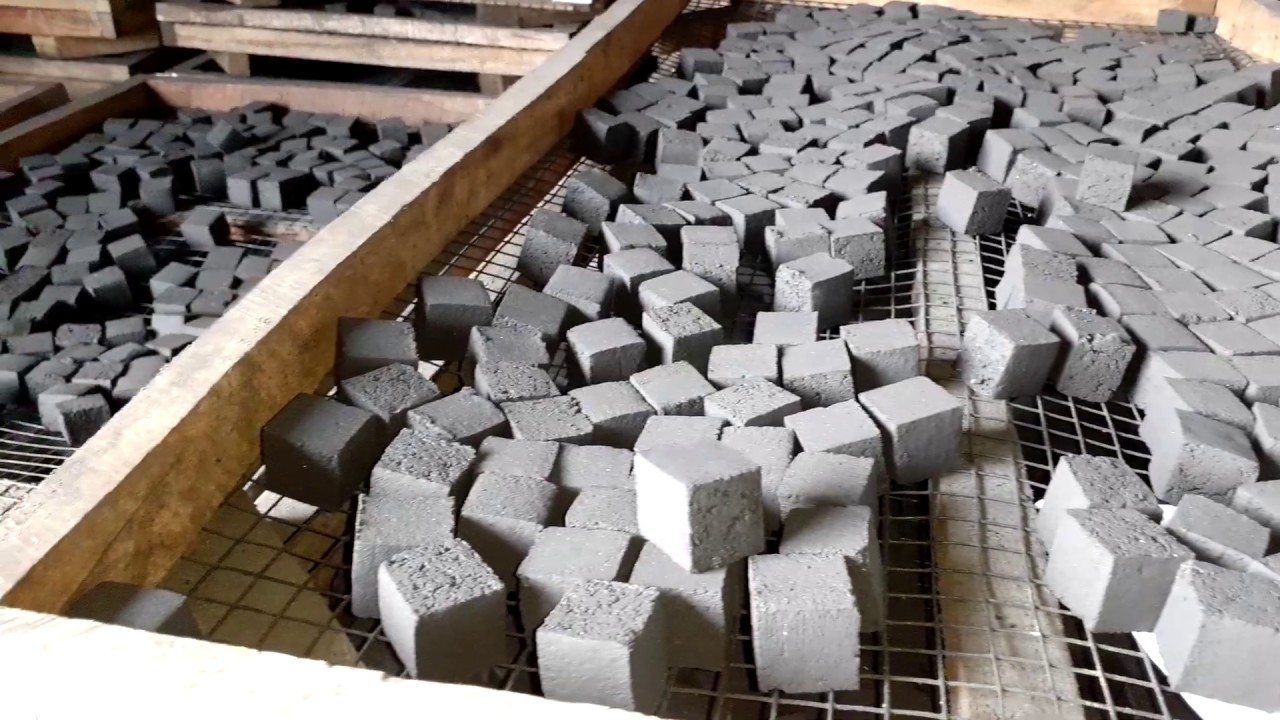
Briquetting process – Briquetting is a process that involves compressing organic materials into small, dense, and uniform briquettes that can be used as a fuel source. The process involves mixing the raw materials with a binder, pressing them at high pressure, and then drying them to produce a durable and energy-dense product. Briquetting is a versatile and cost-effective way to produce a sustainable and environmentally friendly fuel source that can be used for heating, cooking, and a variety of industrial applications. With the right materials, equipment, and training, individuals and businesses can produce their own briquettes, reducing their reliance on traditional fossil fuels and supporting a more sustainable future.
The kind of material used in the briquetting process can have a significant impact on its level of interest and its potential applications. Some of the most interesting materials that can be used in the briquetting process include:
- Biomass: Briquettes made from biomass materials like wood chips, sawdust, and agricultural waste are particularly interesting because they are renewable, widely available, and sustainable. By using these materials, briquetting can help to reduce waste and support a more sustainable and environmentally friendly future.
- Municipal Solid Waste (MSW): Briquettes made from MSW materials like paper, cardboard, and plastics are also interesting because they can help to reduce the amount of waste sent to landfills and incinerators. By converting these materials into a useful energy source, briquetting can help to reduce greenhouse gas emissions and support a more circular economy.
- Coal: While not as sustainable or environmentally friendly as biomass materials, briquettes made from coal can still be an interesting option for certain applications. Coal briquettes are a more compact and efficient fuel source than raw coal, making them ideal for use in industrial applications like power generation and steam production.
- Charcoal: Briquettes made from charcoal are interesting because they offer a cleaner burning and more sustainable alternative to traditional charcoal. By using compressed charcoal dust or other carbon-rich materials, charcoal briquettes can be produced in a cost-effective and environmentally friendly way.
Overall, the kind of material used in the briquetting process can make it interesting for a variety of reasons, from its sustainability and environmental benefits to its versatility and potential applications.
The Key Reasons Why Briquetting Process is a Fascinating
Sustainable and Environmentally Friendly: One of the primary benefits of briquetting is that it is a sustainable and environmentally friendly process. Briquettes are typically made from organic materials like wood, sawdust, agricultural waste, and other biomass, which are abundant and renewable resources. By using these materials, briquetting helps to reduce the amount of waste that would otherwise be sent to landfills or burned in the open air, which can have negative environmental impacts.
- Cost-Effective: Another advantage of briquetting is that it is a cost-effective process. The raw materials used in briquetting are often low-cost or even free, making it an accessible and affordable option for many businesses and individuals. Additionally, the high density of briquettes means that they take up less space and are more efficient to transport and store, reducing transportation and storage costs.
- Versatile Applications: Briquettes can be used for a wide range of applications, making them a versatile energy source. They can be used for heating and cooking in homes, as well as in industrial applications like power generation and steam production. They can also be used as a fuel source for vehicles and other transportation modes.
- Customizable: Briquettes can be customized to meet the specific needs of different applications. For example, the size, shape, and composition of briquettes can be adjusted to optimize burning efficiency and other properties.
- Easy to Produce: Briquetting is a relatively simple and straightforward process that can be done with basic equipment. With the right tools and training, individuals and small businesses can produce their own briquettes, reducing their dependence on traditional fossil fuels.
Overall, the briquetting process is an interesting and innovative approach to energy production that offers a range of benefits for individuals, businesses, and the environment.
You may like to read the article about Preventing Erosion Biodegradable and 100% Natural Materials Coir Geotextiles Uses