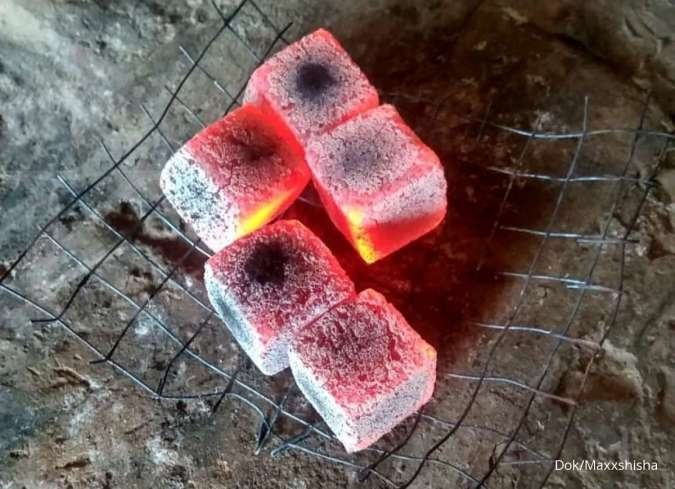
Biomass briquette are a renewable energy source and an eco-friendly alternative to traditional fossil fuels. They are made from organic materials such as agricultural residues, forest waste, sawdust, and other biomass sources. Through a process called briquetting, these materials are compacted into solid fuel blocks, creating biomass briquettes.
The production of biomass briquettes begins with the collection and preprocessing of biomass feedstock. This can involve activities such as drying, shredding, and grinding to prepare the raw materials for the briquetting process. The processed biomass is then fed into a briquetting machine, where pressure and heat are applied to bind the particles together, forming dense briquettes of consistent size and shape.
Biomass briquettes offer several advantages over traditional fuels. First, they are a sustainable and renewable energy source, as they utilize agricultural and forest residues that would otherwise go to waste or contribute to environmental pollution. By converting these biomass materials into briquettes, we can reduce our reliance on fossil fuels and mitigate greenhouse gas emissions.
From Organic Materials The Biomass Briquette Formed
Biomass briquettes are a type of biofuel made from biomass, which is any organic material that can be burned to produce heat. Biomass briquettes are typically made from agricultural waste products, such as sawdust, wood chips, and rice husks, but they can also be made from other biomass materials, such as municipal solid waste and animal manure.
Biomass briquettes are an eco-friendly and renewable energy source. They produce lower emissions of greenhouse gases than traditional fossil fuels, such as coal and oil, and they can help reduce deforestation. Biomass briquettes are also a more efficient fuel than wood or charcoal, and they can burn for longer periods of time.
Biomass briquettes are used for a variety of purposes, including heating, cooking, and generating electricity. They are particularly popular in developing countries where access to traditional fuel sources is limited. Biomass briquettes are also becoming increasingly popular in developed countries as a way to reduce reliance on fossil fuels and improve air quality.
This is How to Make Simply and Its Benefits
The production of biomass briquettes is a relatively simple process. The biomass material is first dried and then ground into a fine powder. The powder is then mixed with a binding agent, such as water or starch, and pressed into the desired shape. The briquettes are then dried and cured before they can be used.
Biomass briquettes are a clean, efficient, and sustainable source of energy. They offer a number of advantages over traditional fuel sources, and they are becoming increasingly popular around the world.
Here are some of the benefits of using biomass briquettes:
- They offer renewable and sustainable energy.
- They generate reduced greenhouse gas emissions compared to conventional fuels.
- They surpass wood or charcoal in efficiency.
- They provide extended burning durations.
- They are relatively straightforward to manufacture.
- They serve as a cost-effective substitute for traditional fuels.
If you seek a clean, efficient, and sustainable method to heat your home or prepare meals, biomass briquettes might be an excellent choice.
You may like to read the article about Preventing Erosion Biodegradable and 100% Natural Materials Coir Geotextiles Uses