
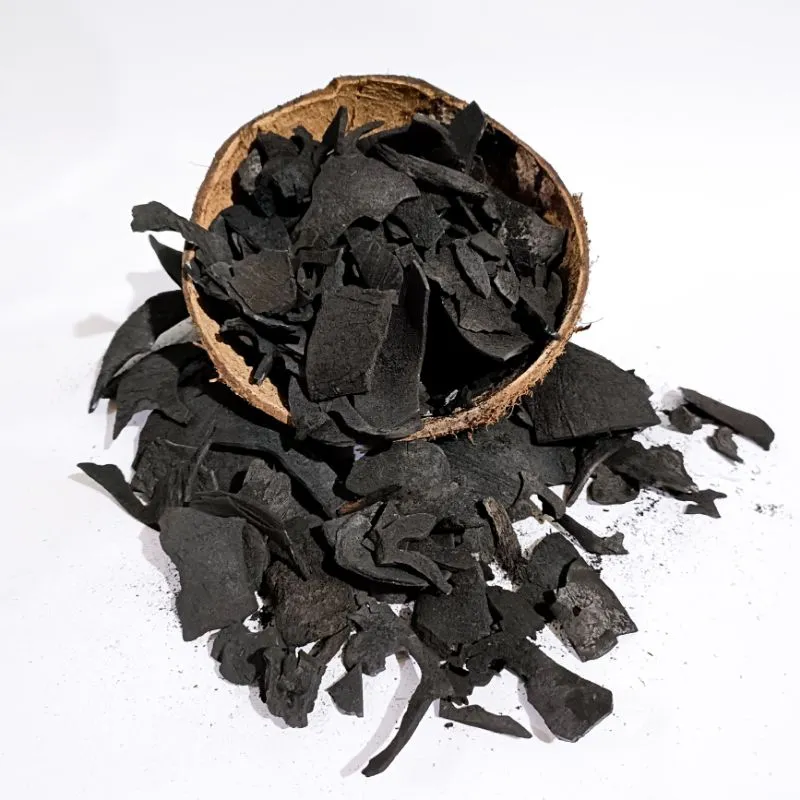
Exporting coconut briquettes to international markets requires more than just high-quality production and proper logistics. In fact, certification standards play a crucial role in determining whether a product is accepted or rejected by global buyers. Many importing countries require proof that the product meets specific quality, safety, and sustainability benchmarks. Therefore, understanding coconut briquette export certification standards is essential for ensuring compliance and building trust in the global market. For a complete overview, you can explore this ultimate guide to coconut briquette export requirements before starting your export journey.
1. Importance of Certification in Export Activities
Certification serves as official proof that a product meets certain standards required in international trade. In general, buyers prefer certified products because they provide assurance of quality and consistency. Moreover, certification helps exporters comply with import regulations and reduces the risk of shipment rejection. Without proper certification, exporters may face difficulties entering competitive markets. As a result, obtaining the right certifications becomes a key factor in long-term export success.
2. Quality Certification Standards
One of the most important certifications for coconut briquettes relates to product quality. These standards ensure that briquettes meet specific requirements such as low moisture content, minimal ash, and high calorific value. For example, laboratory testing is often required to verify these characteristics. Additionally, consistent product quality is essential to maintain buyer trust. Using high-grade coconut shell charcoal briquette materials can help exporters meet these certification standards more effectively.
3. Environmental and Sustainability Certifications
As global awareness of environmental issues increases, sustainability certifications have become more important. In many cases, buyers prefer products that are environmentally friendly and responsibly produced. Certifications related to sustainable sourcing and eco-friendly production processes can significantly enhance product value. Furthermore, these certifications demonstrate that the exporter is committed to protecting the environment. Therefore, sustainability certification can be a strong competitive advantage in international markets.
4. Safety and Handling Certifications
Safety certifications are also required, especially because coconut briquettes are considered combustible materials. For instance, exporters may need to comply with regulations related to storage, packaging, and transportation safety. In addition, proper labeling and handling procedures must be followed to meet international standards. These certifications help ensure that products can be transported safely without causing risks during shipping.
5. Country-Specific Certification Requirements
Each importing country may have its own certification requirements. For example, some countries require additional inspection reports or specific product approvals before allowing entry. Therefore, exporters must research the certification standards of their target markets. By doing so, they can prepare the necessary documents in advance and avoid delays during customs clearance.
6. Benefits of Having Complete Certifications
Having complete certifications provides several advantages for exporters. Firstly, it increases buyer confidence and improves market credibility. Secondly, it simplifies the customs process and reduces the risk of shipment rejection. Finally, certified products are often more competitive in international markets. Thus, investing in proper certification is not just a requirement but also a strategic move for business growth.
Conclusion
In conclusion, understanding coconut briquette export certification standards is essential for success in global trade. From quality and sustainability to safety and country-specific requirements, each certification plays a vital role. Ultimately, by meeting these standards, exporters can ensure compliance, build trust, and expand their presence in international markets.
