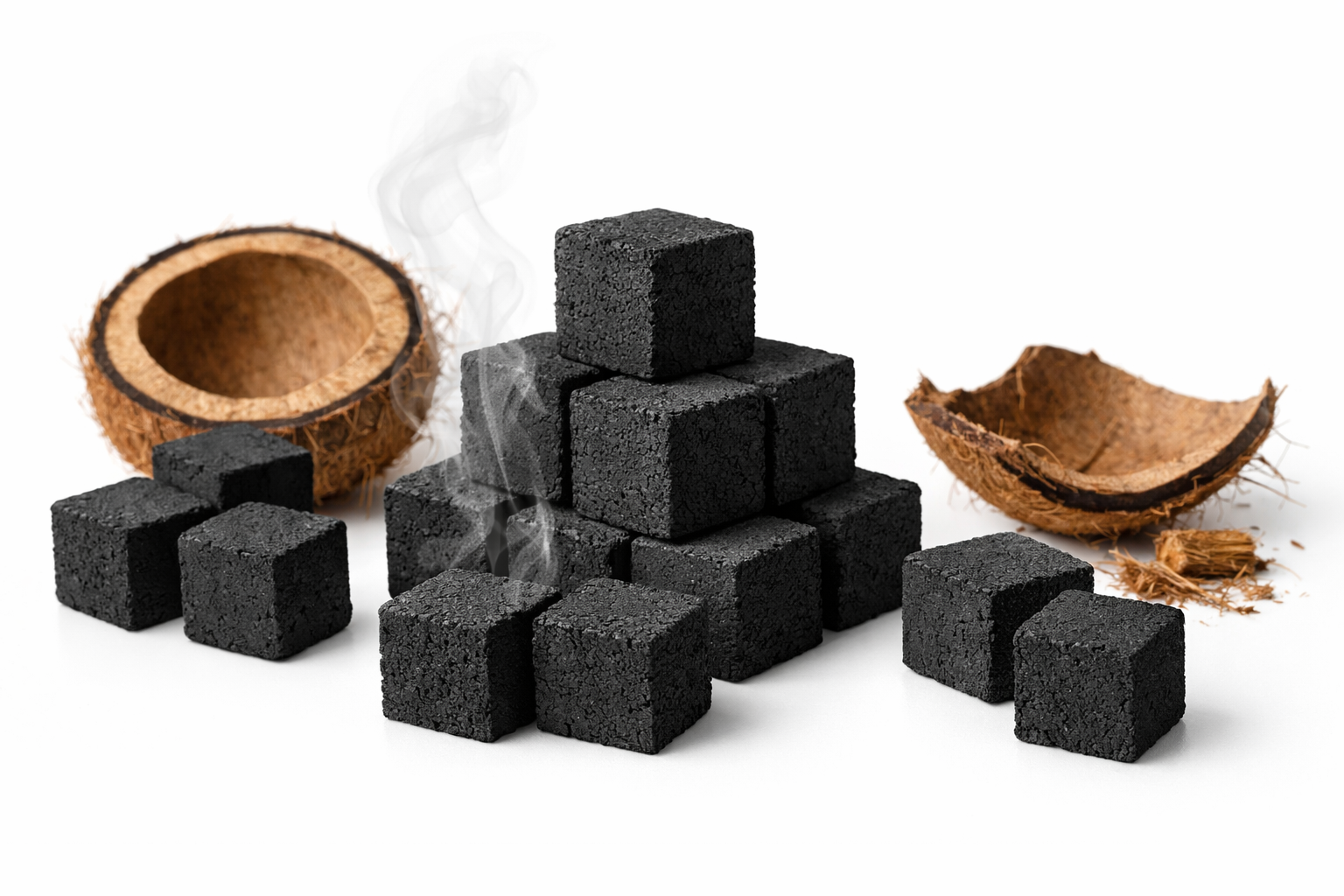
As a charcoal seller, I frequently speak with buyers who ask, Why Is Charcoal So Expensive Now?, because they are surprised by current market prices. Many importers, distributors, and restaurant owners want to understand why charcoal costs significantly more than it did a few years ago. Some even compare products and question, Why are charcoal briquettes so expensive from my experience in the industry, several global and local factors have contributed to rising charcoal prices.
Factors Charcoal Prices
1. Rising Raw Material Costs
One of the biggest reasons charcoal is more expensive now is the increase in raw material prices. Coconut shells, hardwood, and other biomass materials have become more valuable due to growing international demand.
For coconut shell charcoal, demand from shisha markets in the Middle East and Europe has increased significantly. At the same time, coconut shell supply depends on agricultural production, which can fluctuate due to weather conditions, export regulations, and local consumption needs.
When raw materials become more expensive, the final product price naturally rises.
2. Higher Production Costs
Charcoal production requires carbonization, crushing, mixing, pressing, and drying. Each step consumes labor, energy, and machinery maintenance.
In recent years, labor costs have increased in many producing countries. Energy prices have also risen, affecting factory operating expenses. Manufacturers must adjust their pricing to maintain quality and sustainability.
Additionally, higher standards for moisture control and quality testing require better equipment and stricter processes, which increase production costs.
3. Increased Global Demand
The global popularity of barbecue culture and shisha lounges has grown rapidly. Restaurants, hospitality businesses, and distributors now require consistent, high-quality charcoal supplies.
This growing demand has created stronger competition among buyers, especially for premium coconut shell charcoal. When demand increases faster than supply, prices naturally move upward.
Export markets often prioritize higher-paying regions, which can further tighten supply in certain areas.
4. Shipping and Logistics Challenges
International freight costs have fluctuated dramatically in recent years. Container shortages, fuel price increases, and global shipping disruptions have all affected export pricing.
Charcoal is a heavy product, and shipping plays a major role in total cost. Even small increases in freight rates significantly impact final prices for importers.
Packaging materials have also become more expensive, adding another layer of cost to the supply chain.
5. Quality Improvements and Certifications
Many buyers now demand premium charcoal with low ash content, long burn time, and environmentally responsible sourcing. Producing high-quality charcoal requires stricter quality control and better raw material selection.
Some markets also require certifications, laboratory testing, and compliance documentation. These additional requirements increase operational costs but improve product reliability and safety.
6. Currency Fluctuations and Trade Policies
Exchange rate changes can influence charcoal prices in international markets. When local currencies weaken against major trading currencies, export prices may increase.
Government regulations, export taxes, or environmental policies can also affect supply and pricing structures.
My Advice as a Seller
From my experience, charcoal is more expensive today because of a combination of higher raw material costs, rising demand, increased production expenses, and global logistics challenges. However, price should not be the only consideration.
Buyers should focus on long-term value consistent quality, stable supply, and reliable performance. Choosing premium charcoal may cost more upfront, but it protects business reputation and reduces customer complaints.
Understanding the reasons behind price increases helps buyers make informed decisions and plan smarter purchasing strategies in a competitive global market. To learn more about the full explanation and market insights, resepmasakansehat.com click the link to read the complete guide

saya sebagai penulis