
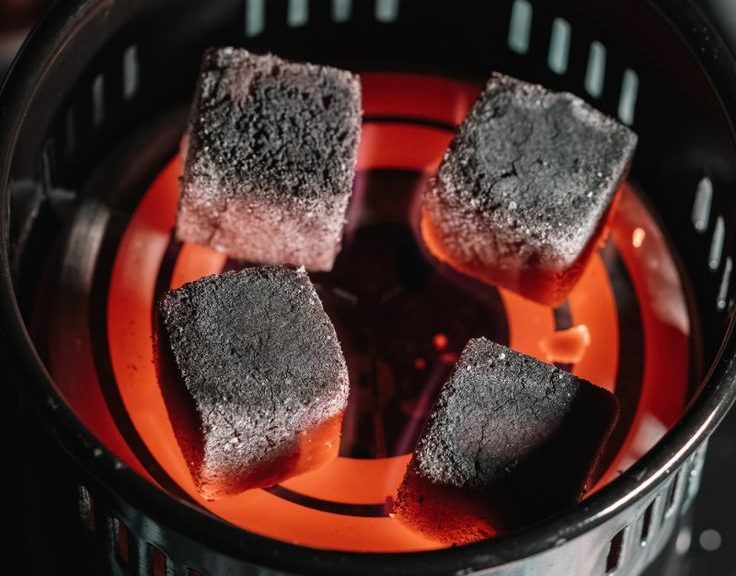
Minimal waste charcoal Indonesia represents a growing movement toward cleaner and more efficient fuel production. As environmental awareness increases, producers are focusing on minimizing by-products during both manufacturing and combustion processes. Minimal waste charcoal Indonesia aims to reduce leftover ash, lower emissions, and optimize raw material usage for better sustainability.
Through improved carbonization systems and quality control, manufacturers are developing indonesian natural charcoal minimal residue products that meet both domestic and export standards. This innovation not only benefits the environment but also enhances user convenience and operational efficiency.
Production Efficiency in Minimal Waste Charcoal
Minimal waste charcoal Indonesia is achieved through advanced processing methods that maximize carbon yield while reducing unnecessary material loss.
1. Optimized Carbonization Technology
Modern kilns and controlled heating systems help producers:
-
Reduce smoke emissions during processing
-
Increase fixed carbon output
-
Minimize production waste
These improvements support cleaner manufacturing and stronger product consistency.
2. Efficient Raw Material Utilization
Producers use agricultural by-products such as coconut shells and other biomass materials to reduce resource waste.
Benefits include:
-
Better waste management in farming areas
-
Lower environmental footprint
-
Higher energy value per unit of raw material
This approach strengthens the sustainability framework of minimal waste charcoal Indonesia production systems.
Performance Advantages of Minimal Waste Charcoal
Beyond production efficiency, minimal waste charcoal Indonesia also delivers practical benefits during use.
1. Low Ash Output
One of the main features of indonesian natural charcoal minimal residue products is reduced ash generation.
Advantages:
-
Cleaner grilling or heating environments
-
Improved airflow in grills and furnaces
-
Easier post-use cleanup
Lower ash levels improve user convenience and overall performance.
2. Cleaner Combustion
Minimal waste charcoal Indonesia is designed to burn steadily with controlled smoke output.
Performance highlights:
-
Stable heat distribution
-
Reduced soot formation
-
Enhanced cooking or heating efficiency
These features make it suitable for restaurants, households, and industrial applications.
Environmental Impact of Minimal Waste Charcoal
Sustainability plays a central role in minimal waste charcoal Indonesia development. By minimizing production by-products and combustion residue, manufacturers contribute to lower environmental pollution.
Environmental contributions include:
-
Reduced landfill waste from biomass residues
-
Lower greenhouse gas emissions compared to fossil fuels
-
Support for circular economy practices
This eco-conscious production model improves Indonesia’s position in the global sustainable fuel market. For additional insights into business innovation and development trends, you may also explore yentit.com for broader perspectives.
Market Potential of Minimal Waste Charcoal
The demand for environmentally responsible fuel continues to expand across international markets. Buyers increasingly seek indonesian natural charcoal minimal residue options that combine efficiency with sustainability.
Export-ready products typically offer:
-
Consistent moisture control
-
Uniform size and density
-
Secure packaging for international shipment
These standards ensure reliable performance and smooth logistics across global supply chains.
Conclusion
Minimal waste charcoal reflects a strong commitment to efficiency and sustainability in modern fuel production. By reducing production waste and minimizing ash residue, it offers both environmental and operational benefits.
With the continued development of indonesian natural charcoal minimal residue technology, Indonesia strengthens its role as a responsible and competitive charcoal producer. As global markets prioritize cleaner energy solutions, minimal waste charcoal stands out as a practical and forward-looking option.
